
Eyes on Screens: Unveiling the Hidden Risks
Navigating through the unseen

On one Saturday, I geared up to address a group of professionals, needing to print a document for my presentation. Opting for convenience, I kept on my prescription sunglasses indoors, reluctant to switch to my regular pair. When I attempted to start my computer, technical issues arose; nothing seemed to be functioning. In a last-ditch effort, I pressed “Ctrl+Alt+Del” to troubleshoot. To my surprise, changing my glasses became the turning point as I discovered my sunglasses were unintentionally shielding harmful rays emitted from the screen, and the computer screen was operational all along.
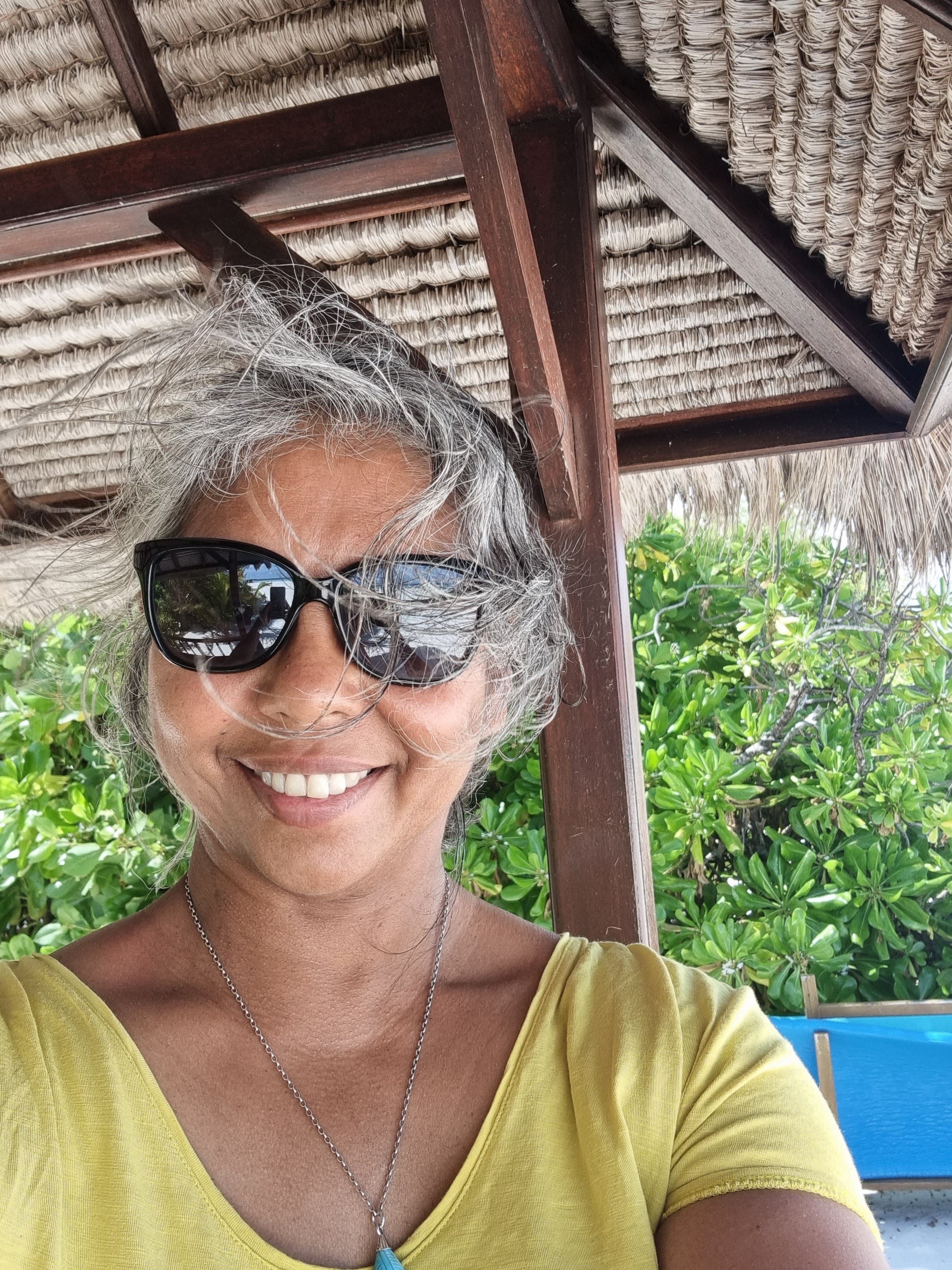
These sunglasses were marketed as special, designed to block all harmful rays from the sun—so I was told by the shop that sold them to me. This revelation made me ponder: while the market highlights the dangers of the sun's rays, it often overlooks the potential harm of prolonged screen exposure without adequate protection.
This experience prompted me to reevaluate the messages we receive from the market, realizing that, in our effort to save trees, we've been reading lengthy documents on screens, unknowingly damaging one of our vital senses—something we were always told to shield from the sun. We find ourselves exposed to equally harmful rays, staring at screens for most of our formative years. It's time to reassess our habits and prioritize the protection of our eyes in the digital age.
I do not intend to discourage people from wearing sunglasses and protecting our eyes from harmful UVA rays from the sun. The strange thing is we have demonized the sun and opted to stare at the screen even to read documents in the name of saving trees and the environment - all good things. My take is we must bring things to perspective on the relationship between the people and the planet rather than simplistically take the consumerist approach of blindly following the market which spirals to issue after issue. What we really need to bring back balance, it does not mean we stop printing documents, but do it as and when needed, plant more trees and limit screen time too. Instead, we could consume the nutrition needed to maintain good eye health and bring the balance of overconsumption on anything. These choices are within our limits and often the cheaper and simpler options. Having the power to choose health is empowering. In our societies, we often let others take control, making it easy to rely on something or someone else to fix a path you can control.
It is no doubt life and living have an impact on our planet, but the impact depends vastly on the choices we as individuals make. One way to start is to think differently and take control! Embrace citizenship and lead a responsibly balanced life or succumb to blind consumerism!